
My photography journey
Newspapers
Births and deaths. Wins and losses. Failures and successes. Everyday moments.
Newspapers were the timeline of my youth.
They were the way people marked milestones, read the first drafts of history and drew conclusions about their world, which, where I grew up at least, was about as long as their main street.
Flipping through pages was the scrolling of today. The way people started or ended their day.
Timelines were slower then.
I was drawn to the photos anchoring the stories. They showed me more than the columns of copy above or below. The bigger the picture or photo spread, the better.
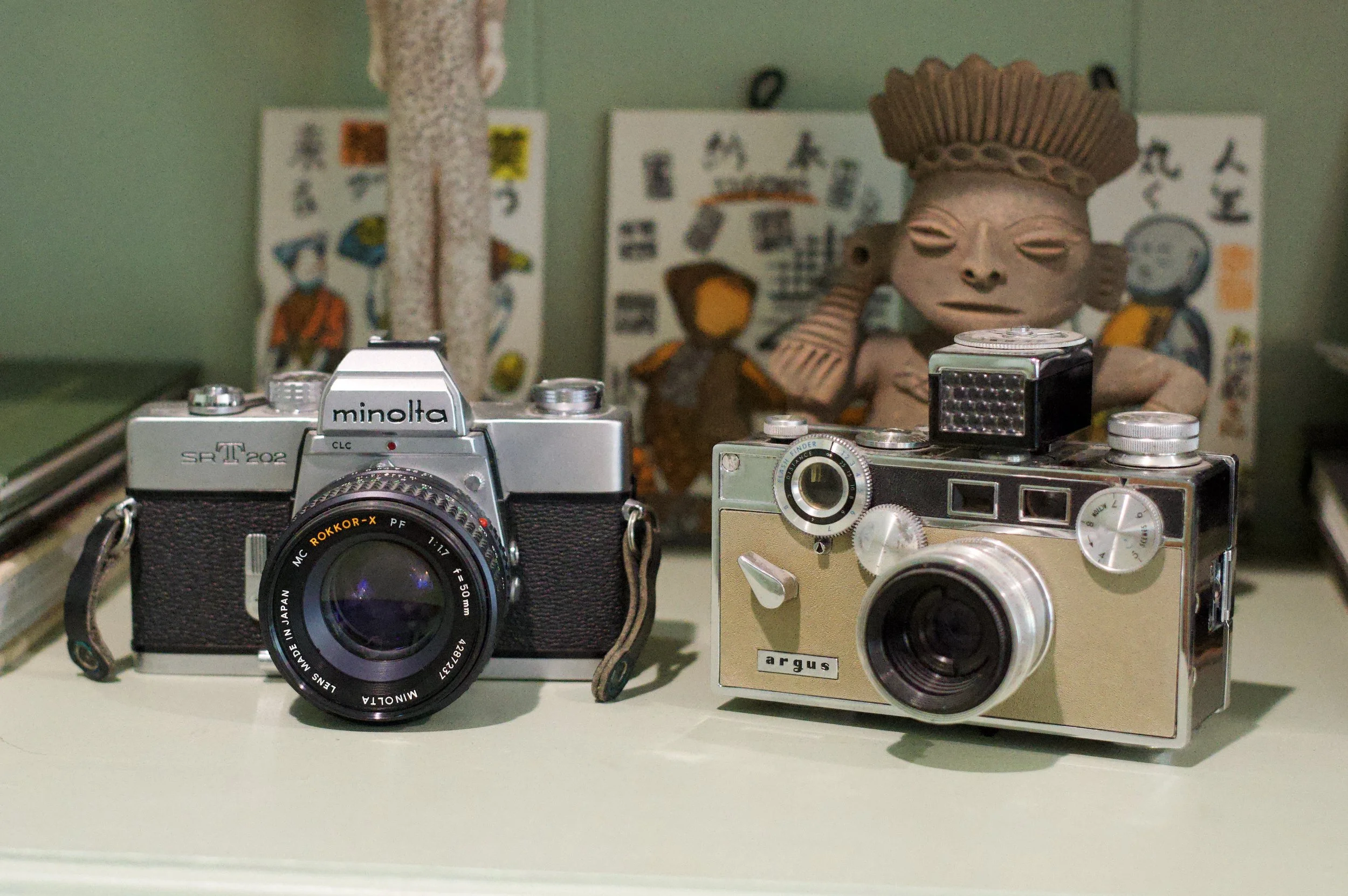
Minolta SRT 202
My dad had a Minolta SRT 202 35mm film camera. I was fascinated by it.
It had a wide, dark blue woven strap that looked and felt like you would imagine a 70s camera strap would. The 50mm Rokkor lens was usually attached to it, but he also had a 28mm and 35mm in his brown fake leather case.
There was something about the sound of the shutter and the feeling of advancing to the next frame that fascinated me as a kid.
It usually came out of its case for birthday parties, family events and summer vacations in our two-door avocado green Chevrolet Monte Carlo with a CB mounted on the floorboard.
He didn’t care if I burned a few frames as I watched the round internal light meter bounce up and down. Film was a bit cheaper back then.
Even more than taking the photos, there was the excitement of seeing what you captured, weeks, months or occasionally years later. Holding the photo in your hands took you back to the moment.
His camera, along with my grandfather’s Argus C3, sits on my shelf today as a reminder of where the feeling of capturing moments began for me.
Junior and High School
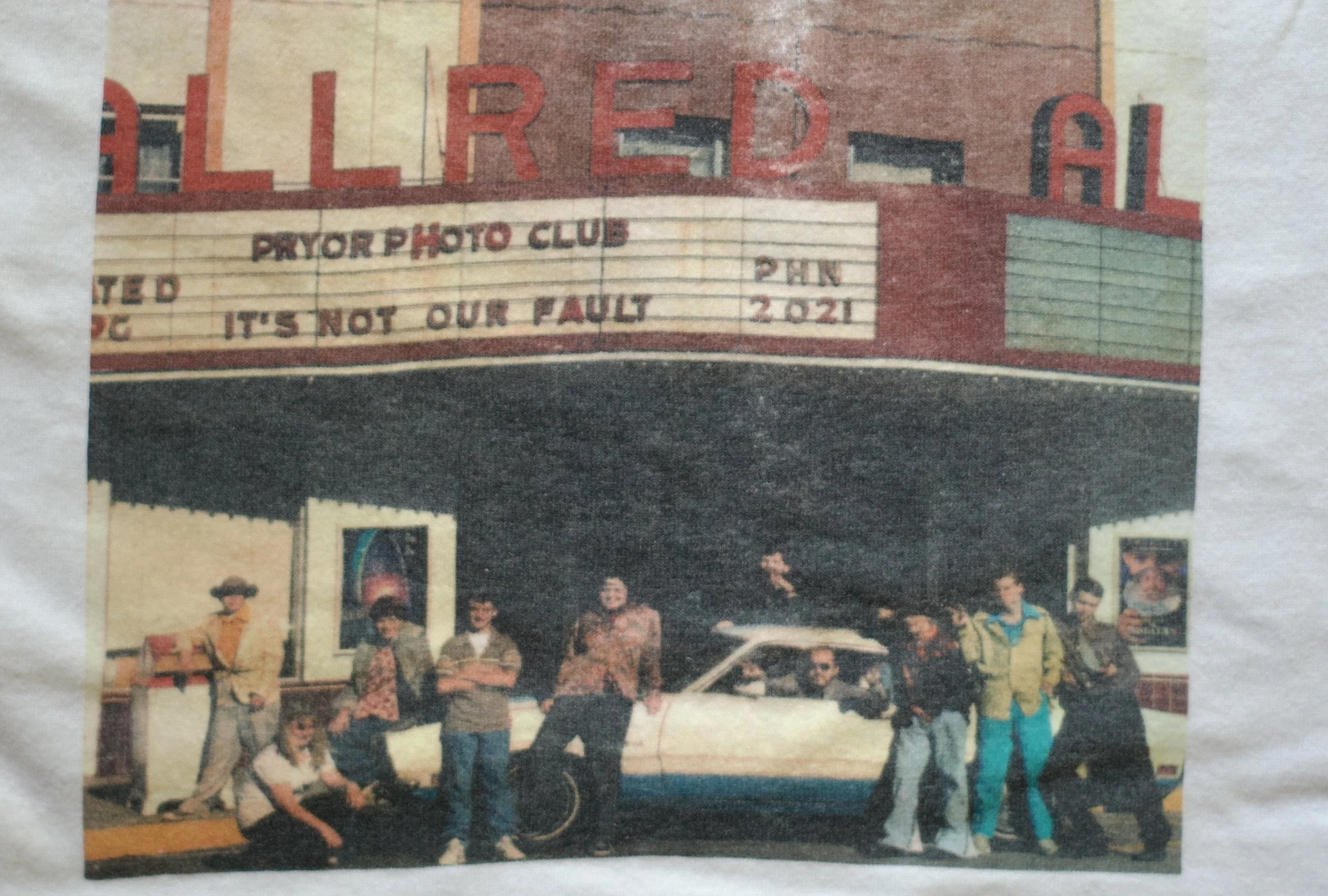
Ron Dryden, my junior high art teacher, and Doug Robertson, a science teacher and a friend’s father, sponsored a photo club for students.
They created a makeshift darkroom in a small closet in Mr. Robertson’s classroom. It was the first time I stood under the red light and smelled the developer.
They tried to introduce the basics, but as a distracted teenager, all I really took away was our class photo club t-shirt and a few memories of long-exposure night photography.
Towards the end of junior high and the start of high school, the VHS camcorder oftentimes replaced photography.
My close friends and I made backyard movies, and, shamefully and regrettably, I made a name for myself by documenting the fights on back roads outside the city limits. I also joined the high school yearbook and broadcast classes.
I was starting to find a path of documenting and storytelling.
College
The summer before college, someone we knew from our hometown of Pryor Creek approached a friend and me and asked if we wanted to spend a week documenting a new folk festival launching in Okemah, Oklahoma. It was honoring Woody Guthrie.
We jumped at the opportunity, but were too young to ask for payment beyond the free film and something to do before we went our separate ways in life.
Despite being held in July in Oklahoma and hot as hell, it was such a well-paying gig that we ended up shooting the next year’s festival as well.
Pete Seeger. Billy Bragg. Country Joe McDonald. Arlo Guthrie. Tom Paxton. Ray Wylie Hubbard. Pete Keane. Ellis Paul. Slaid Cleaves. Don Conoscenti.
I wish I could go back and reshoot those first two years of the Woody Guthrie Folk Festival with what I know now, and I wish I still had the photos. Years later, when I was in college, someone stole my photo album from those two summers.
I entered college right before the internet’s sharp knife and hedge fund managers’ slashed newsrooms across the country. At the time, people thought someone or a media organization would come up with a plan. Convergence with broadcast outlets, hyperlocal news, paywalls, repurposing display ads on local newspaper websites, more and more special sections.
As we and democracy knows now, newsrooms large and small were no match for what was to come.
But I have no regrets. How to write a lede and storytelling has given me the tools to succeed outside of traditional journalism.
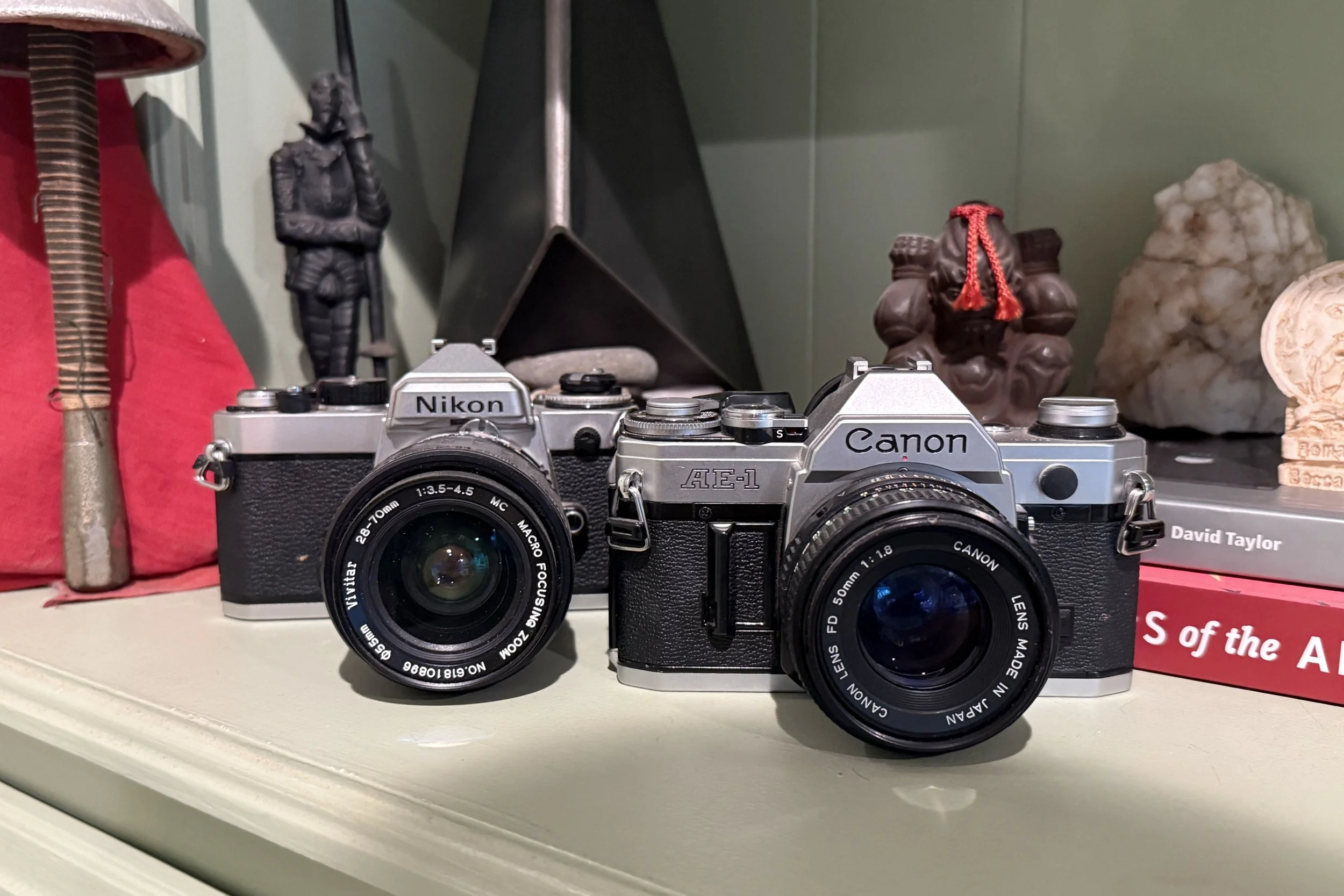
During college, I bought a Canon AE-1, quickly added a Nikon FE and took some photojournalism classes. I spent many hours in the University of Central Oklahoma’s (UCO) darkroom, but the editorial side was where I made more strides professionally.
I served as the editor-in-chief of the Vista, UCO’s newspaper, and interned with Permission Hill, a magazine published by what was then called the Cowboy Hall of Fame.
At the paper and magazine, photography was key to storytelling. Photo, cutline, headline, text is what I lived by. The photo always comes first and is equally, if not more, important to the rest.
Towards the end of college, I had the opportunity to intern with The Oklahoman. Although it had a right-leaning editorial page, I respected the journalists and it was the largest paper in the state of Oklahoma.
They asked me which area of the organization I wanted to land in.
Photojournalism is what made me happy.
I liked it more than what got me in the door: writing and editing.
I submitted my request to join the photography department, along with a second choice to work on a joint project between The Oklahoman and Tulsa World as a “computer-assisted reporter.”
Then came the pop quiz.
I was partnered with a veteran photog. We rode out to the State Capitol to work on an assignment.
As we passed through a hallway lit with fluorescent, incandescent and natural lighting, he stopped. “Tell me which filter you’d use on your flash in this lighting?”
I froze up and went silent.
Not because I was nervous, but because I flat out didn’t know.
When I didn’t answer, he said something like, “well, that tells me what I need to know.”
We headed upstairs to the Capitol’s press room, where he left me while he went to finish the assignment.
When we returned to the newsroom, I was given the title of computer-assisted reporter.
That stuck with me for a while, and I often think about it when I’m doubting myself.
I still don’t know what the filter would be best in that scenario for a solid white balance. I guess I’m just thankful for DNGs now.
The working world
After my internships at the Oklahoman and Tulsa World, I went to work for a small paper in a suburb of Oklahoma City. A paper where I could write, design layouts and take pictures. Not because I was the best at all of them, but because there was nobody else to do it.
I left there after the publisher came into my office, laid a revolver that was strapped to his hip when he walked in on my desk and told me he only remembers employees' names who have worked for him more than a year.
The fourth estate was important to me, but it was clear I would need to make sacrifices in life because of the pay.
I was able to get a job with the Oklahoma Press Association (OPA). There, I’d still be able to help journalists and journalism in the state while also paying rent.
At OPA, I continued to do the things I enjoyed, most importantly, photography.
The iPhone
Around the same time, the iPhone was released, and with it, I had a camera in my pocket at all times. This reignited my passion to document my life and experiences.
This was also when blogs, microblogging sites and “citizen journalism” were the newest big thing. A camera on me always, and a way for people to see my photography. Jackpot.
Non-profits
Working at a non-profit didn’t mean I doubled my salary from the newspaper. But, in Oklahoma City, funding to non-profits, especially art-focused ones, was booming because of donors like Aubrey McClendon, owner of an oil and gas company headquartered there.
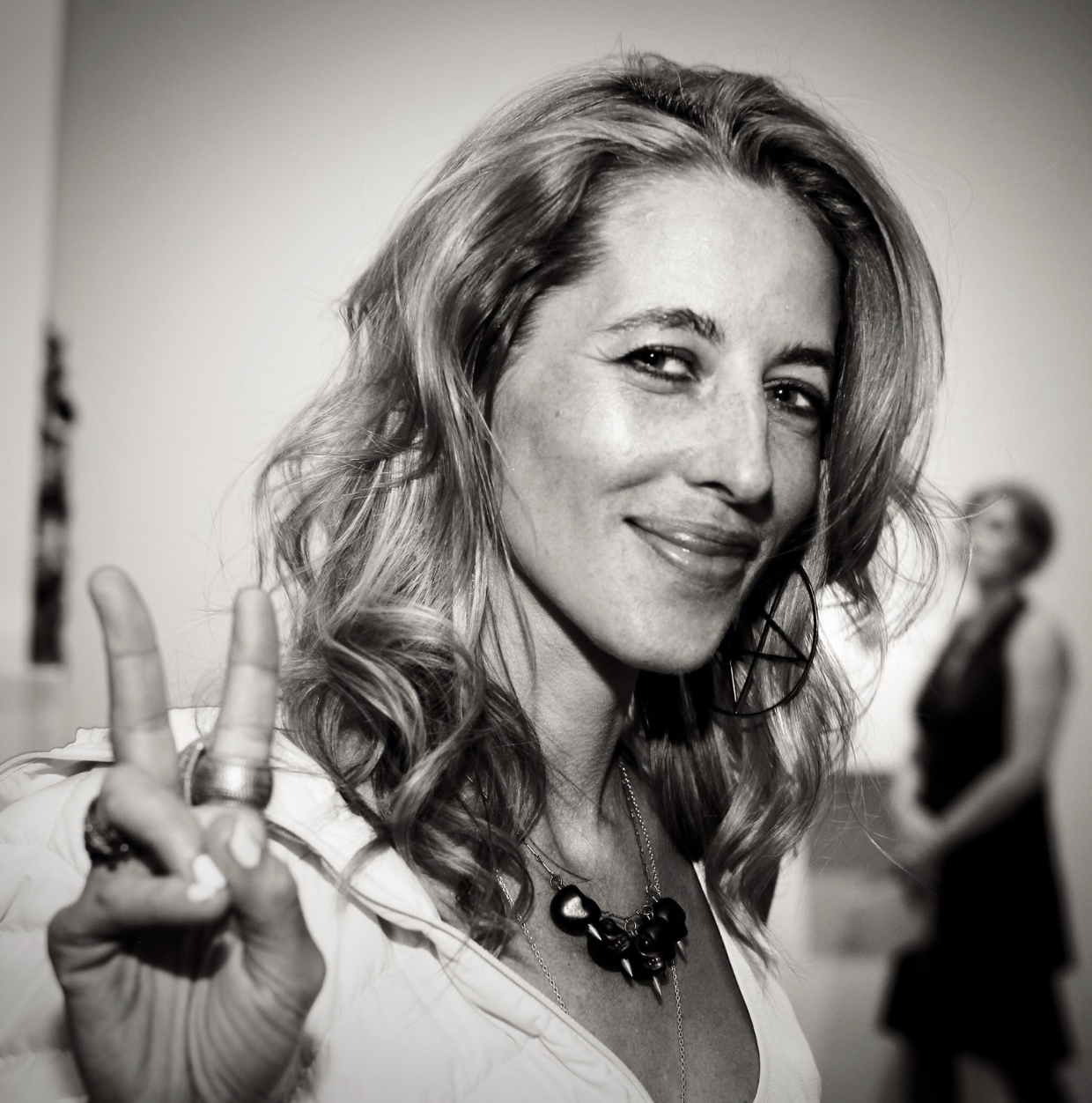
The art scene in Oklahoma City at that time was also expanding rapidly. Organizations were hosting events, sometimes weekly, to attract donors to openings or fundraising parties. Through my photo blogs and social media presence, I photographed many of these events as a freelance photographer.
During that time, I also began shooting weddings, seniors and portrait photography in Oklahoma City and across Oklahoma using the Canon system, specifically the full-frame 5D lineup.
Business was booming. I was also being stretched thin on top of my new job with the City of Oklahoma City. Photography stopped being what it was and is now for me.
So I stepped back to refocus. I still enjoy and do that type of photography, but I’m admittedly selective with who I collaborate with. I’m lucky to have the option to do so.
The world and Leica
Time passed, priorities shifted, and the world expanded.
I never stopped taking photos or working with clients on projects, but thanks in part to a global pandemic and life changes, my focus with photography shifted.
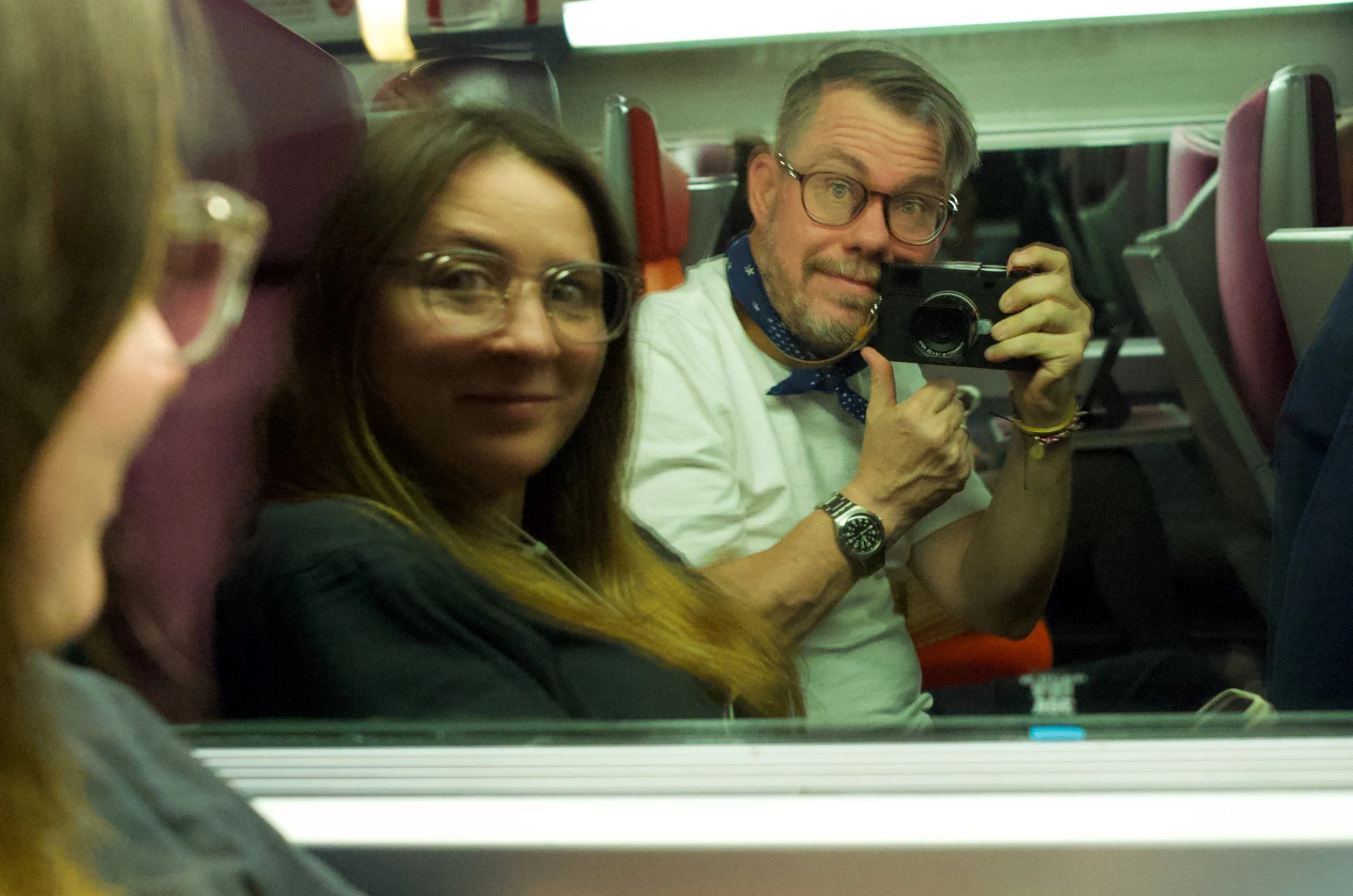
My wife, Cléo, and I started to travel more. Not only to take advantage of the time we have, but to see and experience as much as we can together.
When we went someplace new, I’d find myself drawn to the people who lived and worked there. They are the ones who shaped the communities we were passing through. I recognized something familiar in them: reflections of the people in my own city and the places I’ve called home.
Hauling around dSLR-sized equipment through airports and around cities and countryside works for some people, but it was becoming a pain. I found myself turning to the first version of the Fuji x100 because of the size. It wasn’t the best camera, but the form and function worked better for me.
Cléo saved up money to buy me a Leica Q2, and then later on, I sold all my Canon gear for a used M10 and a few Voigtlander lenses.
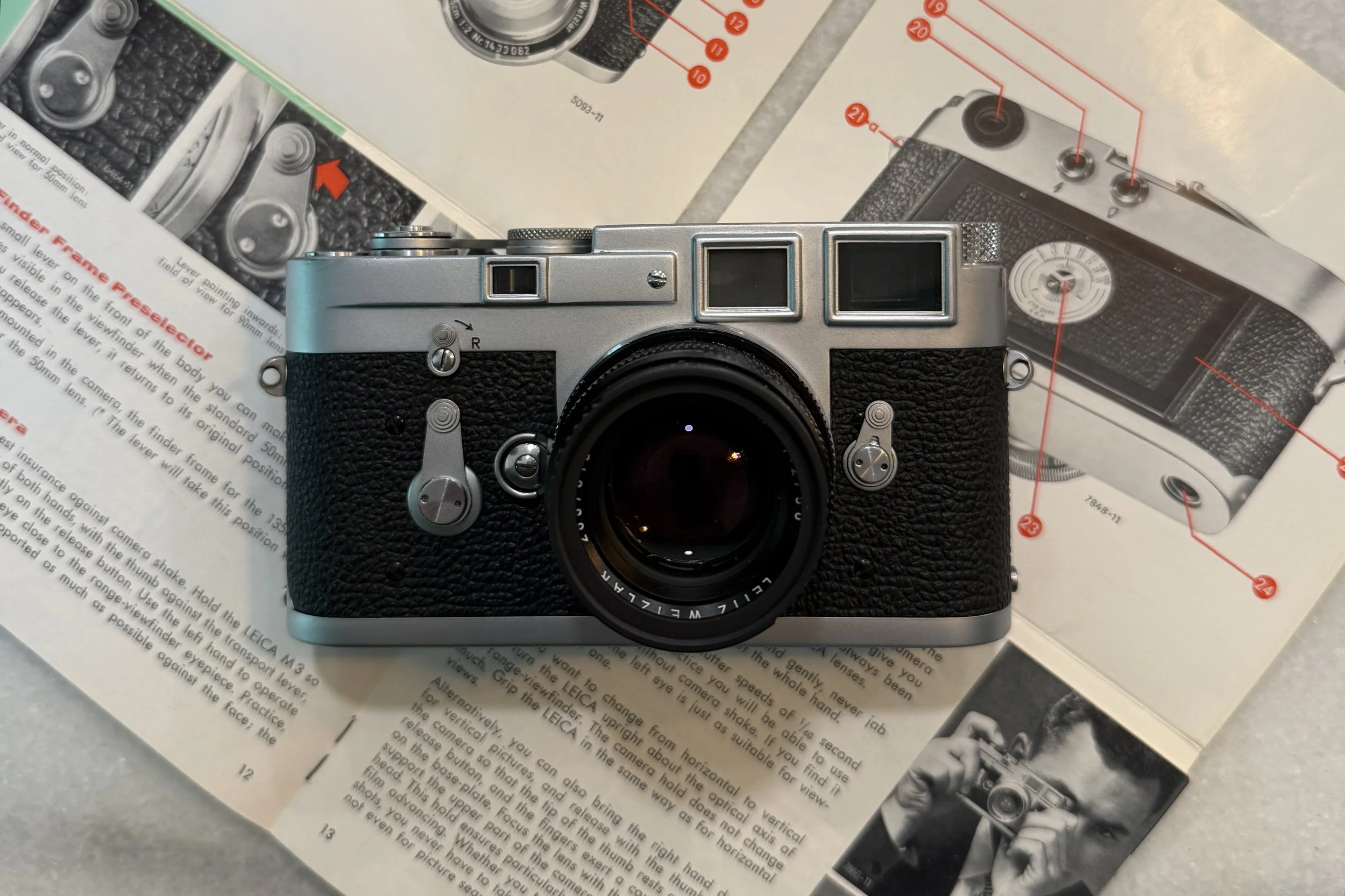
That switch to Leica, specifically my M3, along with a new perspective, brought me back to the feeling I had when I picked up my dad’s Minolta as a kid. The feeling of the shutter firing, how the camera fits in my hand and the focusing of and on the moments.
Photography is now what it was for me in the beginning.
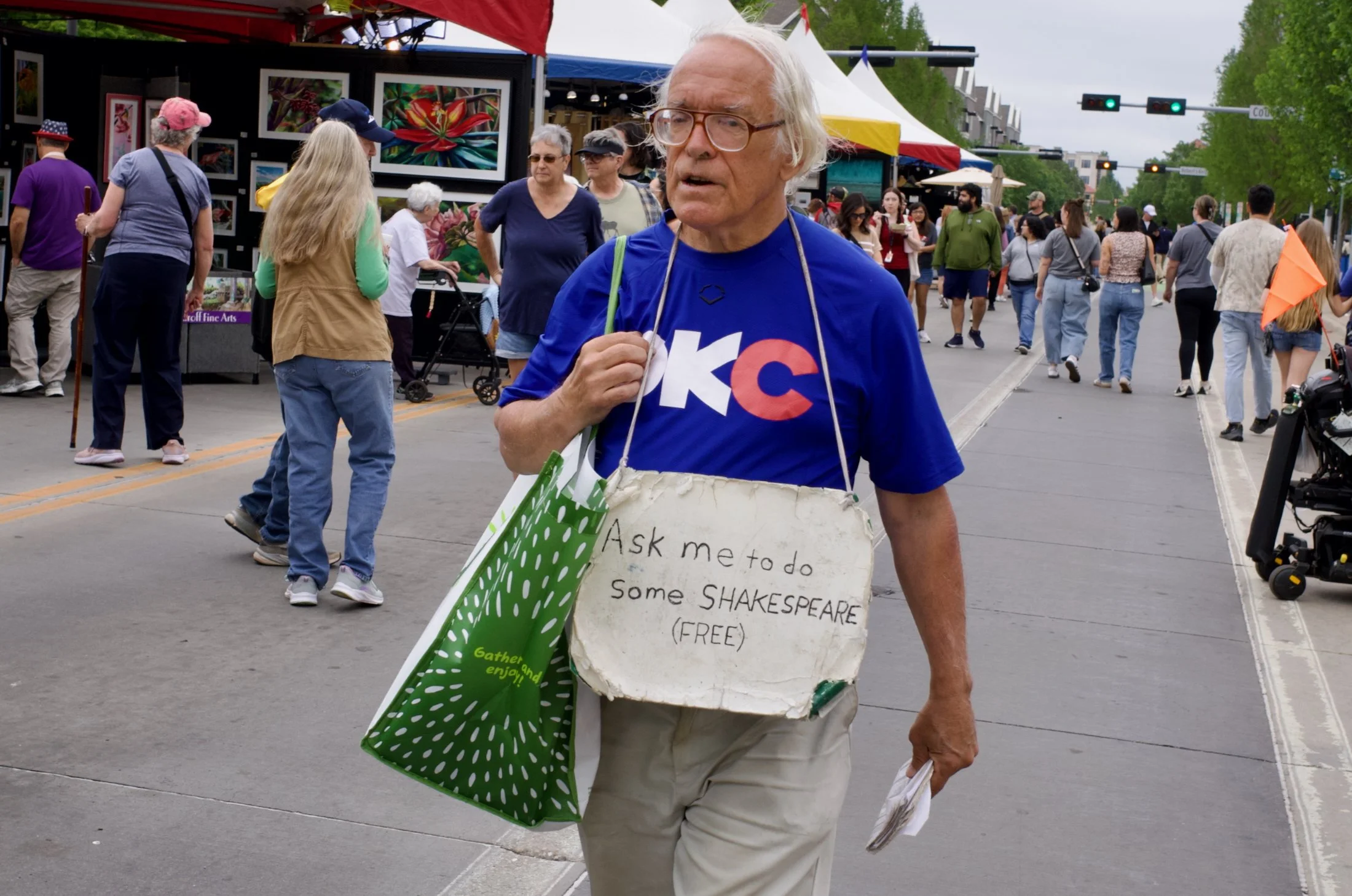
Another day in the city
I also realized that in my everyday routine, I was overlooking the chance to capture and share the faces and moments like I did when I was somewhere else. I started carrying my camera with me wherever I went. To capture the everyday world around me. Where I’m working, living and the people I pass. Hopefully, this work will give future generations a glimpse into my time here.
We’ll see what's next.